
How to Cure the Inability to Slide Foreskin When Erect
If you can retract your foreskin when flaccid but not when erect, this is a common condition related to partial phimosis. The tight foreskin (phimotic band) restricts retraction during an erection due to increased tension. The good news is that this condition is treatable through stretching and gradual desensitization. Here’s how you can address it effectively:
1. Stretching Foreskin Using the Two-Finger Method
Stretching exercises are the cornerstone of treating partial phimosis.
How to Perform the Two-Finger Method:
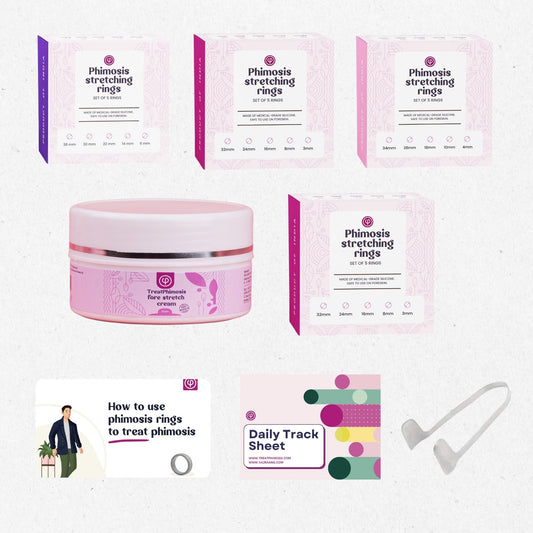
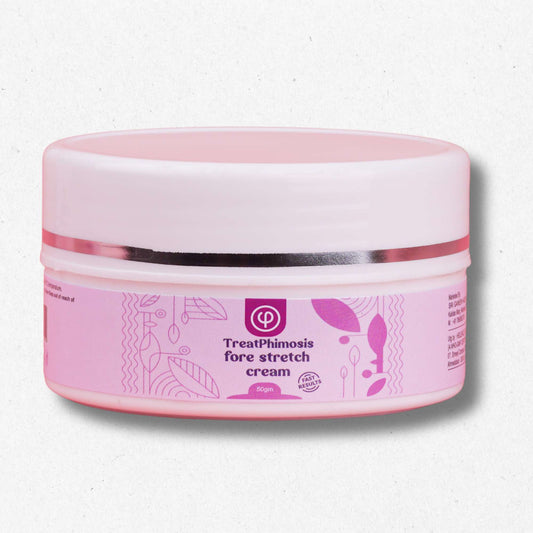
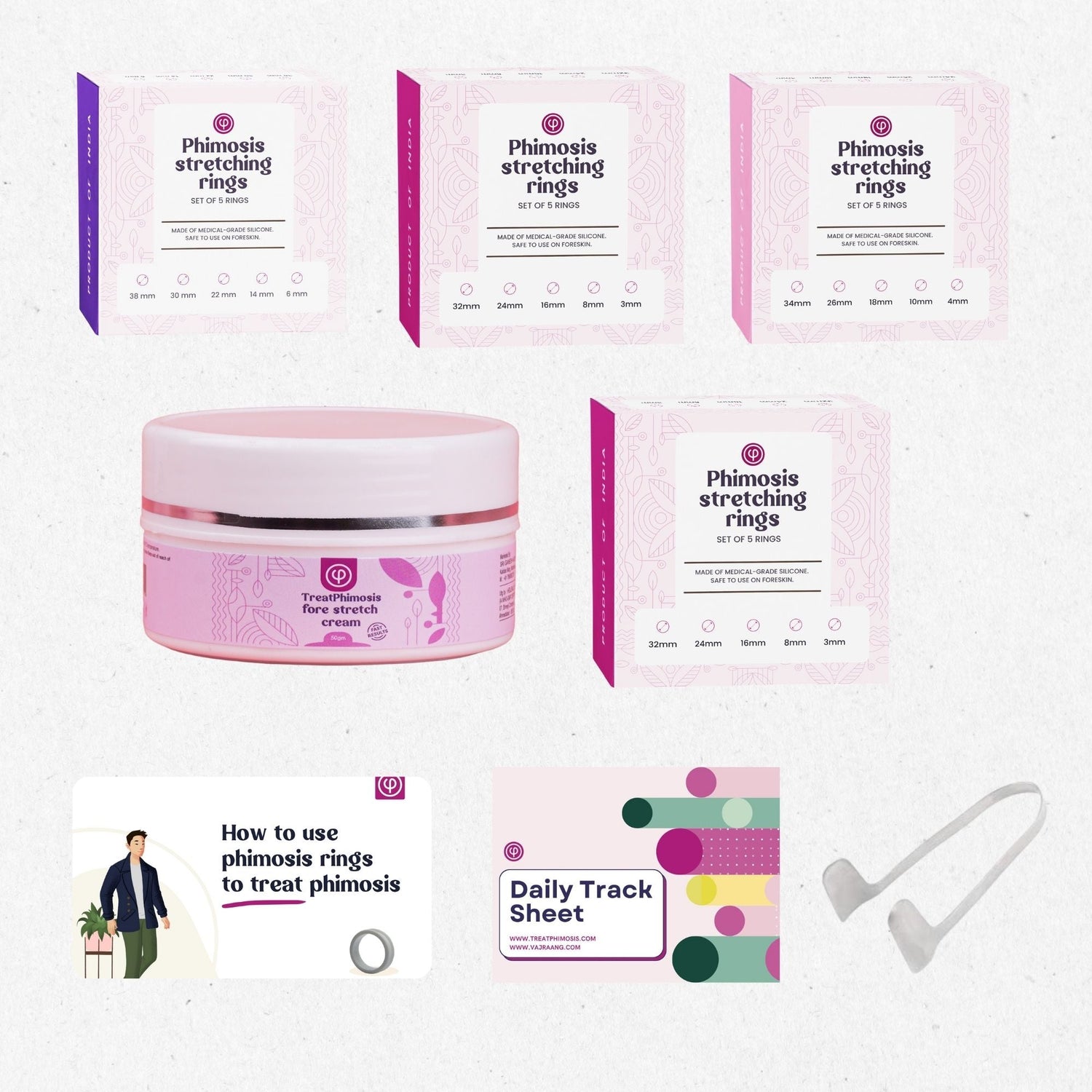
1. Apply a Stretching Cream: Use a safe and effective cream like Fore-Stretch Cream to soften the foreskin and enhance its elasticity.
2. Position Your Fingers: Insert two fingers into the foreskin opening while flaccid.
3. Gently Stretch: Pull the fingers apart slowly and hold the stretch for 30–60 seconds. Repeat this process 3–5 times daily.
4. Avoid Force: Ensure the stretch is gradual and painless to avoid tears or irritation.
💡 Pro Tip: Consistency is key—perform these exercises daily for noticeable improvement.
2. Use the Vajraang GlanPro Tool for Controlled Stretching
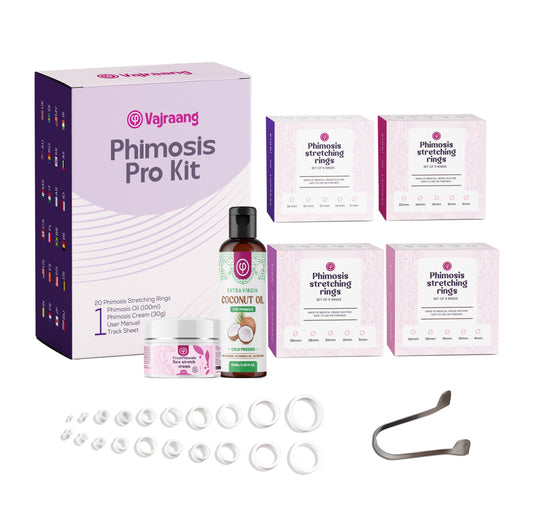
For more precise stretching, tools like the Vajraang GlanPro Tool can help widen the foreskin gradually and safely.
How It Works:
1. Apply Fore-Stretch Cream or a natural lubricant like coconut oil to the phimotic band.
2. Insert the GlanPro tool into the foreskin and adjust it gently to stretch the phimotic band.
3. Use the tool daily for 5–10 minutes to accelerate progress.
💡 Why It Helps: The GlanPro Tool allows for controlled and targeted stretching, which is ideal for tight foreskin that retracts when flaccid but not erect.
3. Adjust Masturbation Technique for Stretching
Masturbation, when done with the right technique, can act as a natural stretching exercise.
How to Practice It:
1. Grip Placement: Hold your foreskin at the tightest part, also known as the phimotic band.
2. Apply Gentle Force: While masturbating, use slight downward pressure to slide the foreskin over the glans.
3. Caution: Be careful not to force the foreskin too far, as this could lead to paraphimosis (when the foreskin gets stuck behind the glans).
💡 Why It Helps: This method combines stretching with natural movement, gradually loosening the tight phimotic band.
4. Maintain Proper Hygiene
While using creams and performing stretching exercises, it’s important to maintain good hygiene to avoid infections.
Steps for Hygiene:
1. After each stretching session or masturbation, clean the foreskin with warm water and a men’s intimate anti-fungal wash.
2. Dry the area gently with a clean towel to prevent moisture buildup.
💡 Why It’s Important: Residue from creams or semen can lead to fungal infections, which may complicate the condition.
5. Progress Gradually to Erect Stretching
Once the foreskin becomes more flexible during flaccid stretching, start practicing retraction while semi-erect, and eventually, while fully erect.
How to Do It Safely:
1. Begin with flaccid exercises and progress as comfort increases.
2. Use a lubricant to reduce friction and ease the process.
3. Stop immediately if you feel pain and return to flaccid stretching.
Important Notes
• Patience is Key: Stretching is a gradual process that can take weeks or months. Avoid rushing or applying excessive force.
• Avoid Pain: Pain indicates you’re overstretching, which can cause microtears and scarring. Always stretch within your comfort zone.
When to Seek Medical Advice
If you don’t notice improvement after consistent stretching for 6–8 weeks, consult a healthcare professional. They may recommend alternative treatments such as prescription creams or, in rare cases, surgical options.
Final Thoughts
Curing partial phimosis requires a combination of patience, consistent stretching, and proper hygiene. By using methods like the two-finger technique, the Vajraang GlanPro Tool, and adjusted masturbation techniques, you can gradually loosen the phimotic band and achieve full foreskin retraction during erection.
With regular effort and the right tools, you’ll likely see significant improvement in a matter of weeks.
Thought-Provoking Questions:
1. How can tools like the Vajraang GlanPro Tool accelerate progress compared to manual stretching?
2. What lifestyle factors, such as diet or hydration, could support skin elasticity and enhance results?
3. Could combining stretching with relaxation techniques reduce discomfort and improve outcomes?