
What To Do If You Can’t Roll Back Your Foreskin When Erect: 3 Ways to Easily Fix It
If you’re unable to roll your foreskin back to its original position when erect or flaccid, this may be a case of paraphimosis. Paraphimosis occurs when the foreskin gets stuck behind the glans after being pulled down and cannot return to its natural position. This can happen if phimosis (tight foreskin) is not managed properly.
While paraphimosis is not always dangerous, in severe cases, it can cause significant swelling, pain, and restricted blood flow, leading to serious complications like gangrene if left untreated. Fortunately, there are ways to manage and prevent paraphimosis from happening again. Let’s explore three effective methods to fix and prevent this condition.
1. Manually Roll Back the Foreskin
If your glans are not overly sensitive, you can use the following technique to gently roll your foreskin back to its original position:
• Step 1: Grip the foreskin with one or both hands while gently pushing the glans (head of the penis) down with your thumbs.
• Step 2: If the foreskin is swollen, apply gentle pressure to the glans using a clean cloth or bandage for a few minutes. This helps reduce the swelling and makes it easier to move the foreskin.
• Step 3: Once the swelling has subsided, carefully lift the stuck foreskin over the glans. Avoid using excessive force to prevent injury.
💡 Pro Tip: If lubrication is making it difficult to grip the foreskin, wipe the area with a clean towel or tissue before trying again.
⚠️ Emergency Warning: If the swelling does not subside or you cannot roll the foreskin back after several attempts, seek medical help immediately. Paraphimosis can restrict blood flow to the glans, leading to serious complications.
2. Wait for the Erection to Subside
If paraphimosis occurs during an erection, trying to fix it immediately can be difficult due to the increased size and sensitivity of the penis. In such cases:
• Allow the penis to become flaccid naturally. As it does, the swelling and tightness will decrease.
• While waiting, gently hold the stuck foreskin and lift it over the glans in a slow, upward motion. The gradual reduction in size and pressure will make it easier to reposition the foreskin.
💡 Prevention Tip: Avoid forcefully retracting the foreskin during sexual activity or masturbation until the tightness is resolved through proper treatment.
3. Stretch the Foreskin to Loosen the Phimotic Band
If you’re dealing with phimosis (tight foreskin), the phimotic band—the tightest part of the foreskin—needs to be loosened to prevent paraphimosis from recurring. Regular stretching exercises can help widen the opening of the foreskin and improve its flexibility.
Here’s how to stretch your foreskin safely:
• Step 1: Identify the phimotic band (the tight ring near the tip of the foreskin).
• Step 2: Gently pull the foreskin outward in opposite directions, avoiding any sudden or forceful motions.
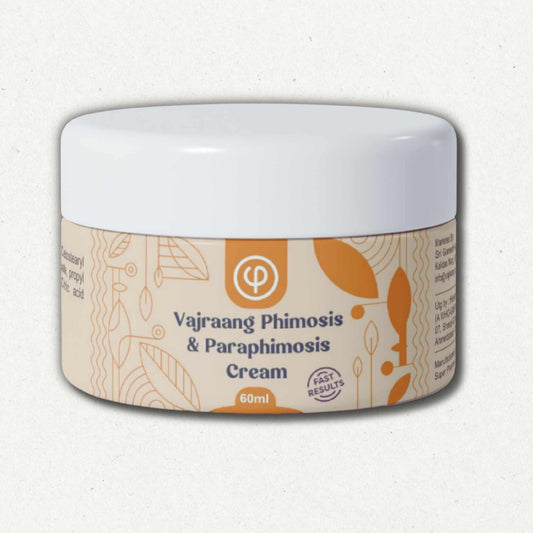
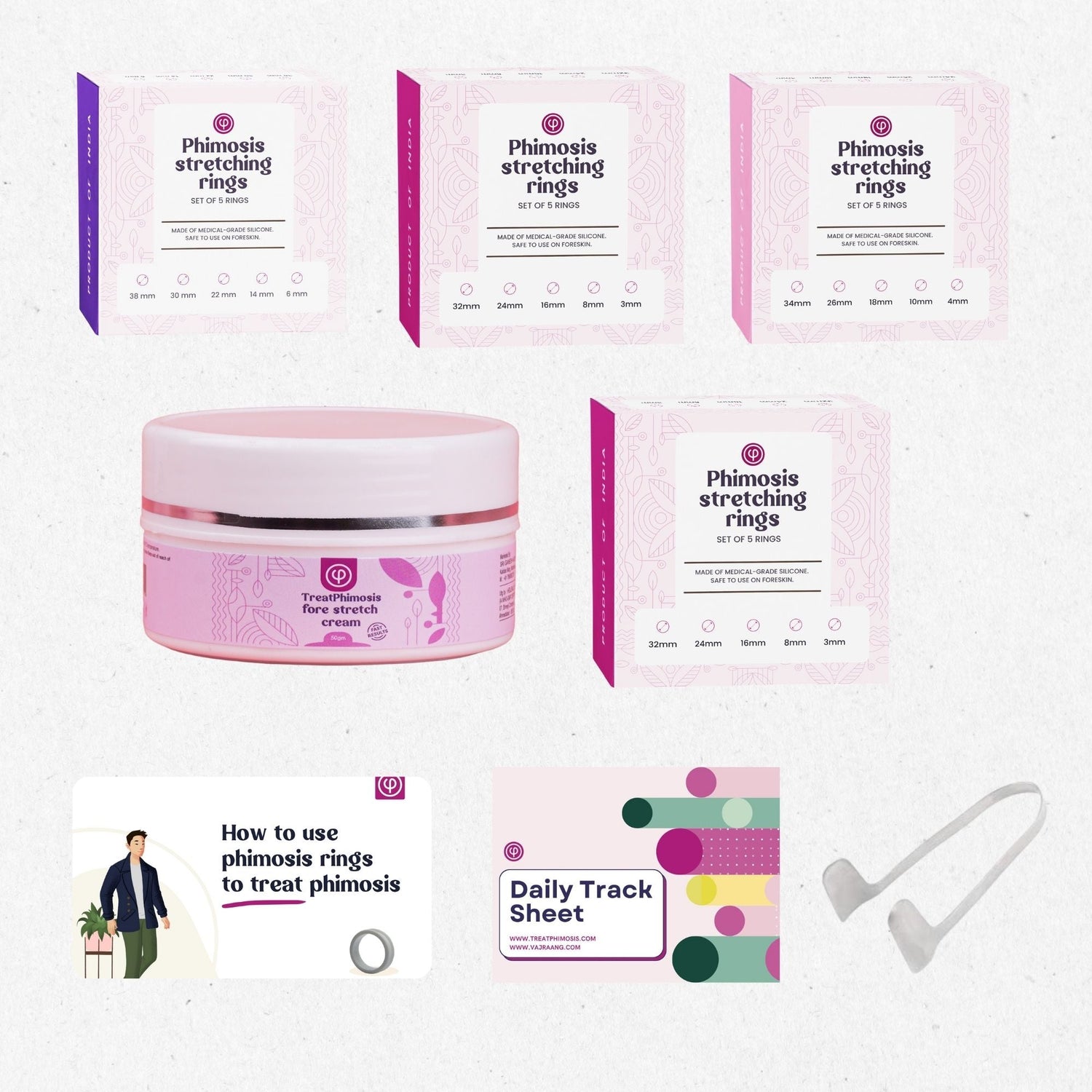
• Step 3: Perform these stretches 2–3 times daily, using a lubricant or specialized cream like Vajraang Phimosis & Paraphimosis Cream to reduce friction and speed up progress.
💡 Why Vajraang Cream Works: Unlike hydrocortisone, which can cause skin thinning, Vajraang Cream is steroid-free and designed specifically to enhance foreskin elasticity and heal microtears. It delivers fast results within 7–14 days when paired with consistent stretching.
Preventing Paraphimosis in the Future
Paraphimosis often happens when the foreskin is retracted too forcefully, especially during masturbation or sexual activity. To prevent it:
• Grip the Foreskin Properly: When masturbating, hold your penis over the phimotic band rather than pulling the foreskin back completely. This avoids placing unnecessary strain on the foreskin.
• Stretch Regularly: Continue gentle stretching exercises to loosen the foreskin gradually.
• Use a Phimosis Cream: Applying a cream like Vajraang Phimosis & Paraphimosis Cream keeps the foreskin hydrated and pliable, reducing the risk of tearing or getting stuck.
When to See a Doctor
While the methods above are effective for most cases of paraphimosis, you should seek immediate medical attention if:
• The glans becomes dark purple or bluish, indicating restricted blood flow.
• The foreskin remains stuck despite multiple attempts to roll it back.
• You experience severe pain, swelling, or signs of infection.
Final Thoughts
Paraphimosis is a manageable condition, but it can escalate quickly if not treated properly. By using the techniques mentioned above and practicing regular foreskin care, you can resolve paraphimosis and prevent it from recurring.
For the best results, combine stretching exercises with a reliable cream like Vajraang Phimosis & Paraphimosis Cream. Designed specifically for foreskin care, this cream hydrates, softens, and enhances elasticity, making it easier to roll back your foreskin and treat phimosis effectively.
Don’t let paraphimosis disrupt your life—act today to regain your comfort and confidence.
Thought-Provoking Questions:
1. How can regular foreskin care routines prevent both phimosis and paraphimosis?
2. What are the long-term benefits of using non-steroidal creams like Vajraang Cream for foreskin health?
3. Are there additional tools or techniques that can complement stretching exercises for faster results?