
4 Reasons Why It Might Hurt to Have Sex When You Have Phimosis
Experiencing pain during sex while having phimosis is a common issue that can stem from one or more underlying conditions. Phimosis itself restricts the foreskin from retracting fully, but other related factors can also contribute to discomfort or pain during intercourse. Here are 4 primary reasons for the pain and what you can do to address them.
1. Phimosis: The Root Cause
• What It Is: Phimosis refers to a congenital or acquired narrowing of the foreskin’s opening, making it difficult or impossible to retract over the glans.
• Why It Hurts:
• During sex, the tight foreskin can stretch forcefully, leading to microtears, irritation, and pain.
• Limited movement of the foreskin reduces the natural gliding motion, making intercourse less comfortable.
• How to Treat It:
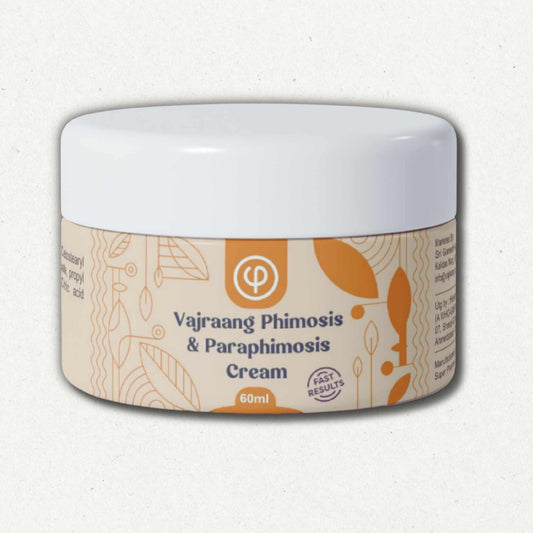
• Use Vajraang Phimosis & Paraphimosis Cream to soften the foreskin and enhance elasticity.
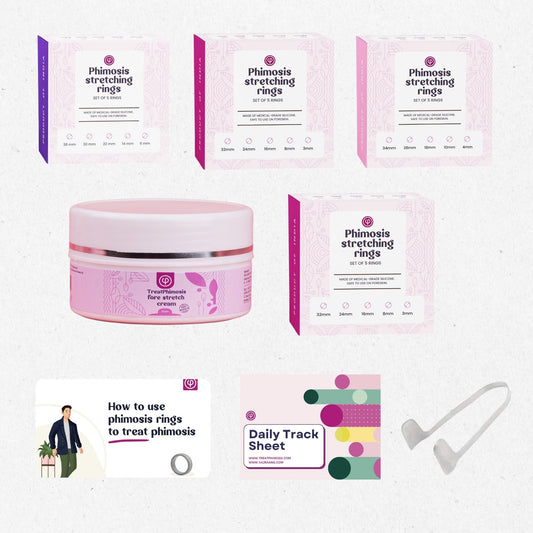
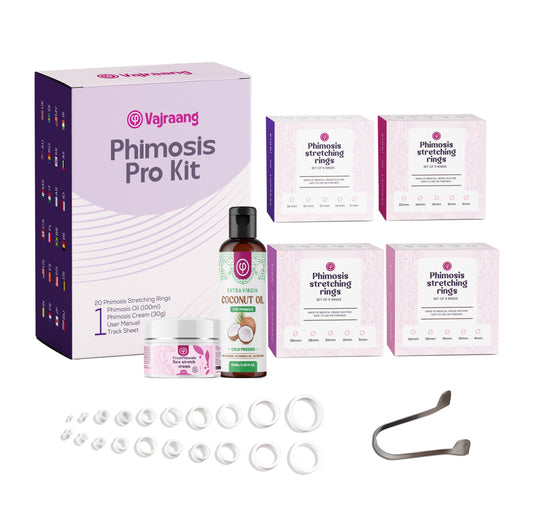
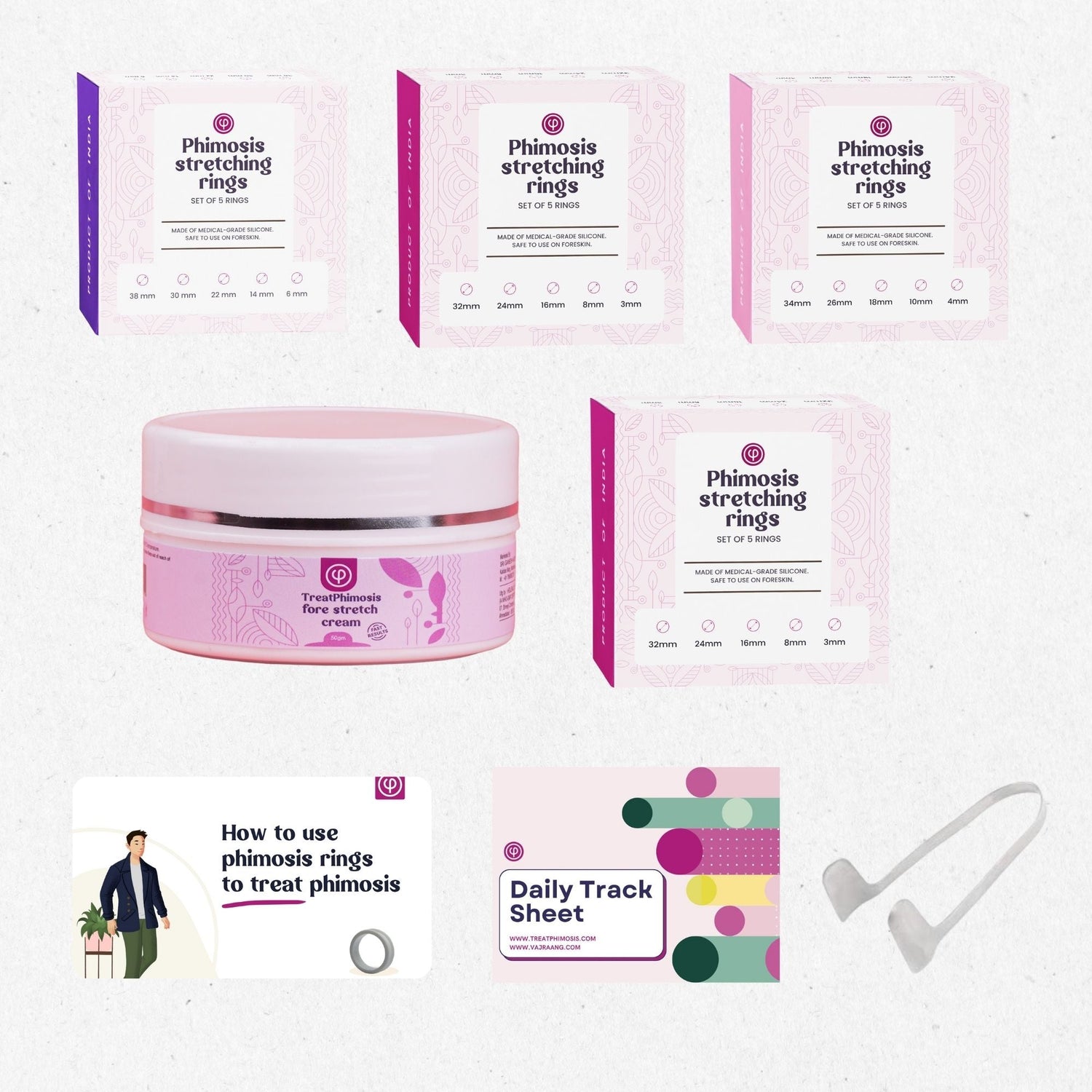
• Gradual stretching exercises or phimosis rings can widen the foreskin over time, reducing pain during sex.
💡 Tip: Start treatment early to avoid complications like scarring or worsening tightness.
2. Paraphimosis: A Serious Complication
• What It Is: Paraphimosis occurs when the foreskin is forcibly retracted behind the glans and becomes stuck, leading to swelling and restricted blood flow. It is a urologic emergency.
• Why It Hurts:
• The retracted foreskin can constrict the glans, causing significant swelling, pain, and even tearing.
• Prolonged constriction can result in tissue damage or gangrene if untreated.
• How to Treat It:
• If paraphimosis occurs, try reducing swelling by applying gentle pressure or a cold compress before attempting to return the foreskin to its normal position.
• If unsuccessful, seek medical attention immediately.
⚠️ Warning: Paraphimosis can lead to severe complications, including amputation of the glans, if not treated promptly.
3. Yeast Infection: A Common Irritant
• What It Is: A yeast infection, often caused by Candida, can weaken the foreskin’s skin, making it prone to tears and irritation.
• Why It Hurts:
• The infection makes the skin fragile, leading to microtears during sexual activity.
• It may also cause redness, itching, and inflammation, adding to the discomfort.
• How to Treat It:
• Use antifungal creams or natural remedies like Vajraang Phimosis Cream, which combines antifungal properties with skin-soothing benefits.
• Practice good hygiene by washing the foreskin daily with warm water and avoiding harsh soaps.
💡 Pro Tip: Reducing sugar intake can help manage yeast infections, as sugar promotes fungal growth.
4. Highly Sensitive Glans: The Most Likely Culprit
• What It Is: For men with phimosis, the glans is often hypersensitive due to being shielded by the foreskin for most of their lives. This lack of exposure makes the glans overly sensitive to touch, friction, and external stimuli.
• Why It Hurts:
• The glans’ sensitivity can cause discomfort or pain during penetration, especially when combined with phimosis.
• Even mild friction from sex can feel overwhelming if the glans hasn’t been desensitized.
• How to Treat It:
• Gradually expose the glans to air, water, and gentle touch to build tolerance.
• Use lubricants during sex to reduce friction and improve comfort.
• Desensitization techniques, such as applying castor oil or coconut oil to the glans, can help.
💡 Best Solution: Use phimosis rings to simultaneously stretch the foreskin and expose the glans, addressing both phimosis and sensitivity.
Final Thoughts
Pain during sex when you have phimosis is usually caused by one or more of these conditions: tight foreskin (phimosis), paraphimosis, yeast infection, or hypersensitive glans. While each condition has its own challenges, they are all treatable with the right approach.
Products like Vajraang Phimosis & Paraphimosis Cream and tools like phimosis rings are excellent solutions to soften the foreskin, improve elasticity, and treat sensitivity. Combined with proper hygiene and consistent effort, these remedies can help you overcome pain and enjoy a more comfortable, fulfilling sexual experience.
Thought-Provoking Questions:
1. How can desensitization exercises improve comfort during sexual activity for men with phimosis?
2. What are the long-term benefits of treating phimosis early to prevent sexual discomfort?
3. Are there additional lifestyle changes that could help reduce the recurrence of yeast infections?