
Is a Purple-Colored Glans a Sign of Disease?
Discovering that your glans appears purple after retracting your foreskin can be concerning, especially if you’re unsure whether it’s normal or indicative of an underlying condition. The truth is, in most cases, a purplish hue on the glans is completely normal, particularly if you are uncircumcised. Let’s dive deeper into the reasons behind this coloration and when it might warrant medical attention.
Why Does the Glans Appear Purple?
The color of the glans depends on several factors, including blood flow, the transparency of the glans tissue, and the presence of keratinization (a process where the skin becomes tougher and less sensitive).
1. Normal Variation in Color
• Uncircumcised Men: If you’re uncircumcised, the glans is covered by the foreskin, which protects it and keeps the skin soft and sensitive. In this state, the mucous membrane of the glans is transparent, allowing the underlying blood vessels and tissues to show through. This gives the glans a shiny, purplish, or deep red color, especially when you’re young or during an erection. The color can resemble a “liver-like” deep red hue due to the high concentration of blood vessels beneath the skin.
• Circumcised Men: For circumcised individuals, the glans is more likely to develop a keratinized (hardened) layer over time due to constant exposure. This layer can make the glans appear less shiny and more pinkish or purplish, with a tougher texture.
2. Blood Flow
The glans contains a high number of blood vessels, and during an erection, increased blood flow can intensify its coloration. This is normal and is not a sign of disease.
3. Age and Skin Type
Younger individuals tend to have a more translucent mucous membrane on the glans, making it appear shinier and more vividly colored. As you age, the skin may become slightly thicker, altering its appearance.
When Should You Be Concerned?
While a purplish glans is typically normal, there are instances where discoloration might indicate an issue that requires medical attention. You should consult a healthcare provider if you notice any of the following symptoms along with the color change:
• Pain or Discomfort: Persistent pain during retraction, erection, or urination could indicate an underlying condition like balanitis, an infection, or phimosis.
• Swelling: Unusual swelling of the glans could suggest inflammation, infection, or an allergic reaction.
• Cracks or Sores: Visible cracks, sores, or unusual textures on the glans are signs of irritation, trauma, or possible infection.
• Bluish or Dark Purple Color: A dark purple or bluish glans accompanied by pain and swelling may indicate restricted blood flow, a condition known as paraphimosis (where the retracted foreskin cannot return to its normal position).
• Changes in Color with No Apparent Reason: If the purple coloration appears suddenly and is not associated with an erection, consult a doctor to rule out circulatory issues or trauma.
What Causes the “Liver-Like” Deep Red Color?
For uncircumcised individuals, the mucous membrane of the intact glans is very thin and transparent. This allows the underlying tissues and blood vessels to be visible. When erect, the increased blood flow intensifies the color, resulting in the “liver-like” deep red or purplish tone. This is a completely normal physiological response and not a sign of disease.
How to Maintain a Healthy Glans
To ensure your glans remains healthy and free from irritation or infection, follow these steps:
1. Hygiene: Gently retract your foreskin during bathing and wash the glans with warm water. Avoid harsh soaps as they can irritate the sensitive tissue.
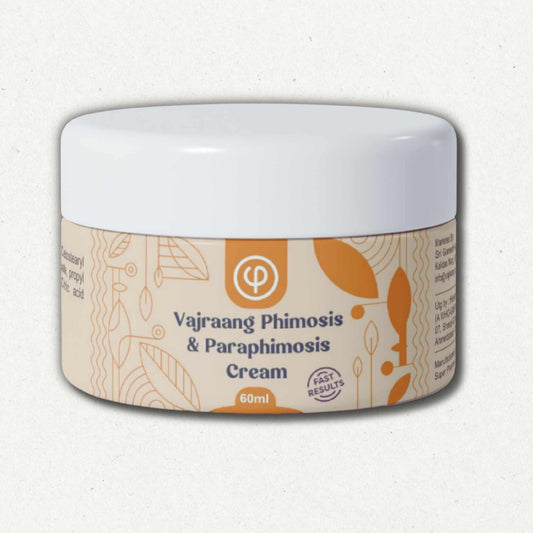
2. Moisturization: If your glans feels dry or irritated, use a gentle, non-fragranced moisturizer or a specialized cream like Vajraang Phimosis & Paraphimosis Cream, which also hydrates and protects the foreskin and glans.
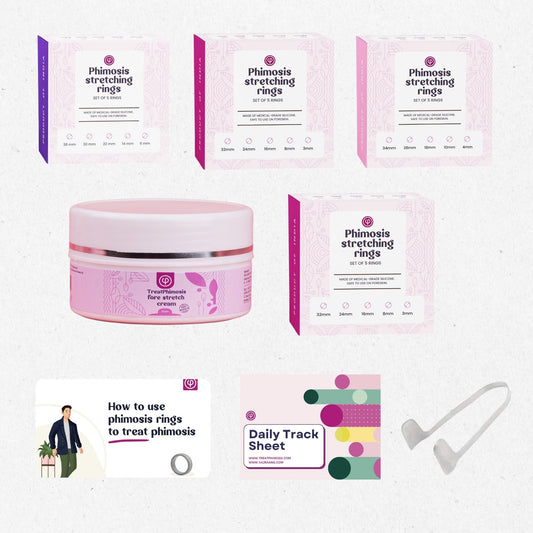
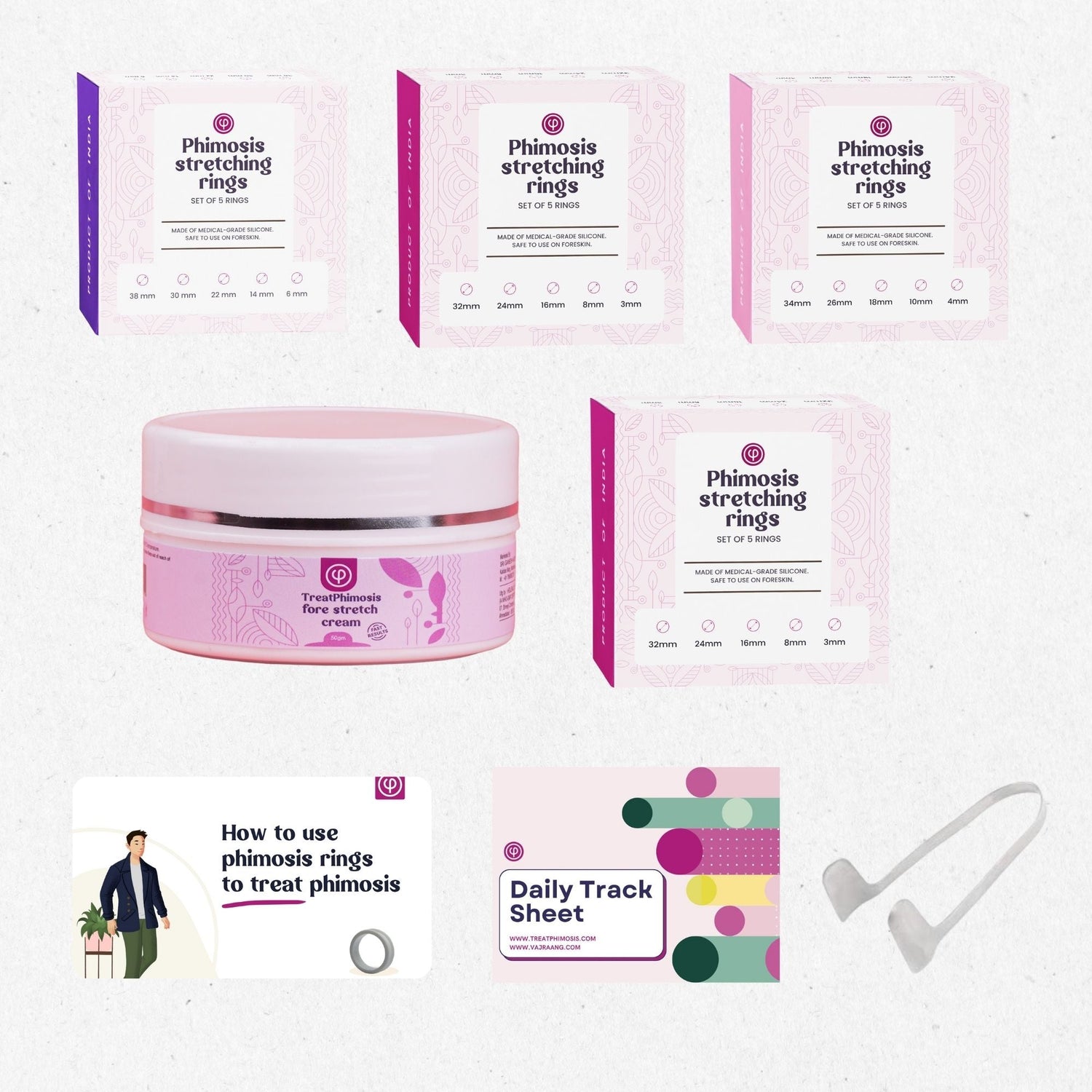
3. Stretching and Care: If you are undergoing foreskin stretching for phimosis, always ensure proper lubrication and hygiene to avoid irritation or microtears.
4. Monitor for Symptoms: Regularly check for any unusual changes in color, texture, or sensation. Early detection of abnormalities can prevent complications.
Conclusion
In most cases, a purple or deep red glans is perfectly normal, especially if you are uncircumcised. The transparent mucous membrane of the glans allows the blood-rich tissues beneath to show through, giving it a shiny, purplish appearance. For circumcised individuals, the glans may appear slightly less shiny due to keratinization but can still have a purplish hue depending on blood flow and skin type.
However, if the color change is accompanied by pain, swelling, or other unusual symptoms, it’s important to seek medical advice. Otherwise, maintain good hygiene and care for your foreskin and glans to ensure long-term health.