
Experiencing cuts and scars on the foreskin during phimosis stretching is a common issue, especially when stretching is done without proper lubrication or care. These injuries are typically caused by overzealous stretching, insufficient moisture, or improper technique. Thankfully, with the right approach, you can heal the cuts and scars while continuing to make progress toward curing phimosis.
Here’s a step-by-step guide to address and prevent cuts and scars on your foreskin:
1. Pause Excessive Stretching
• Why Pause? Overstretching while the foreskin is injured can worsen the cuts, delay healing, and lead to scarring.
• What to Do Instead? Allow your foreskin time to heal completely before resuming stretching exercises. Resting for a few days helps the skin regenerate and prevents further damage.
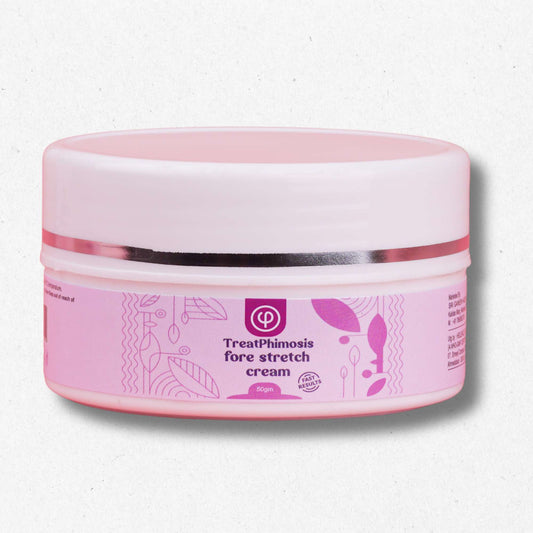
2. Use a Phimosis Stretching Cream
• Why It Helps: Phimosis creams are designed to hydrate and soften the foreskin, improving elasticity and aiding in the healing of cuts and rashes.
• How to Apply:
• Apply the cream twice daily:
1. Before Stretching: Use the cream to lubricate and prepare the foreskin for stretching.
2. At Night: Apply the cream generously before bedtime to promote healing overnight.
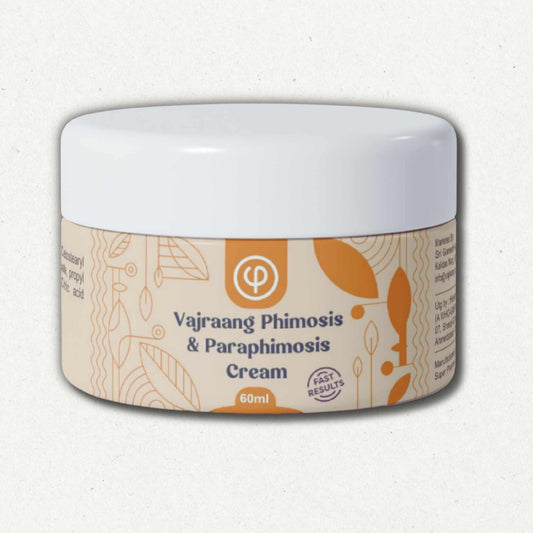
💡 Recommended Product: Vajraang Phimosis & Paraphimosis Cream—it’s steroid-free, deeply hydrating, and accelerates healing while improving elasticity.
3. Avoid Excessive Force
• Stretch Gradually: Stretching should never be painful. Stretch to your comfortable limit without causing strain or tears.
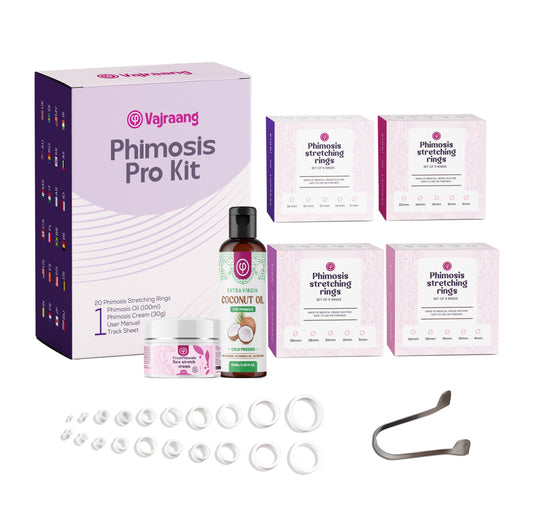
• Focus on Technique: Use tools like Vajraang GlanPro Tool or phimosis rings for controlled, even stretching. These tools prevent uneven pressure that can lead to cuts.
4. Keep the Foreskin Moisturized
• Why It’s Important: Dry skin is more prone to cracking and scarring.
• Best Moisturizers: After cleaning, apply virgin coconut oil or castor oil to the foreskin. These natural oils hydrate the skin, reduce inflammation, and prevent dryness.
💡 Tip: Moisturize the foreskin after every cleaning session to maintain its elasticity.
5. Maintain Proper Hygiene
Cuts on the foreskin are susceptible to infections. Keeping the area clean is essential for proper healing.
• How to Clean:
1. Wash the penis gently with warm water.
2. Avoid using soaps or harsh cleansers on the foreskin, as they can irritate the skin further.
3. Use a men’s intimate wash to clean the outside of the foreskin if needed.
💡 Tip: Dry the area gently with a clean towel after washing to prevent moisture buildup.
6. Treat Scarring with Desensitization and Healing Techniques
• Massage the Area: Once the cuts have healed, gently massage the foreskin with coconut or castor oil to reduce scarring and improve elasticity.
• Desensitization: Gradually expose the foreskin to air and gentle movements to make it more resilient and less prone to cracking.
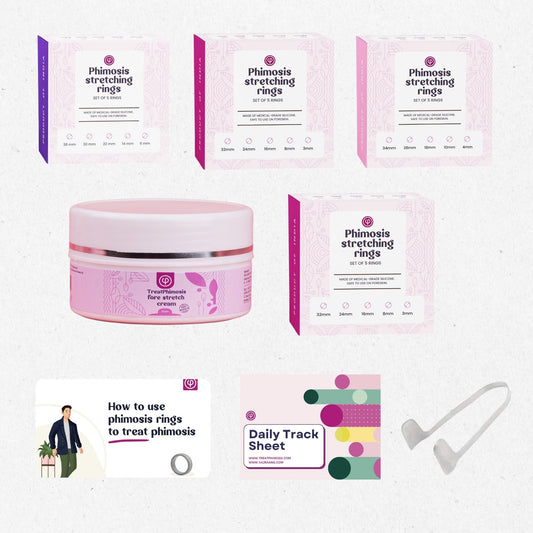
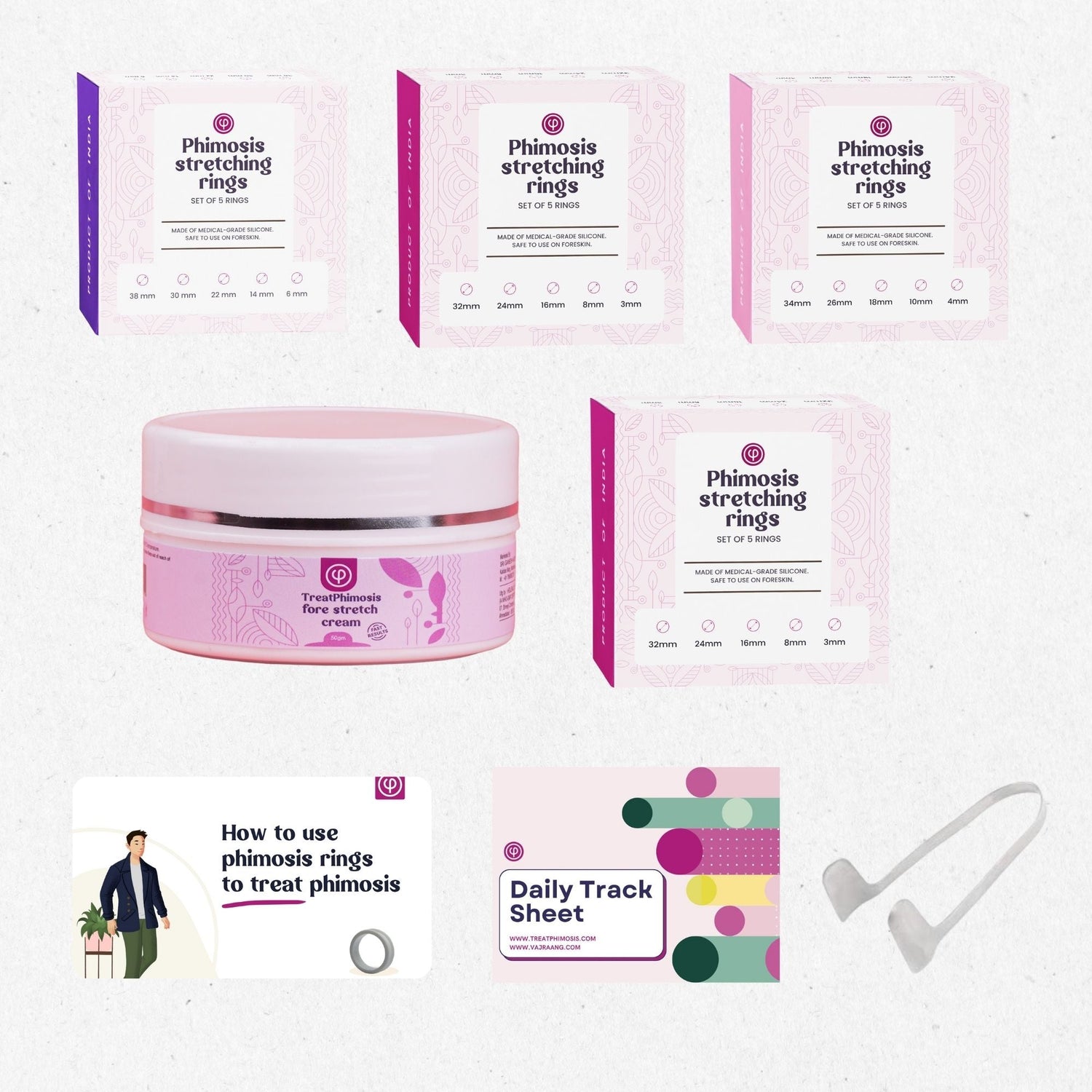
7. Use Phimosis Rings for Safe Stretching
• Why Rings Help: Unlike manual stretching, phimosis rings apply consistent and controlled pressure, reducing the risk of uneven stretching and cuts.
• How to Use:
• Insert the smallest ring that fits comfortably without causing pain.
• Gradually increase the ring size as the foreskin becomes more flexible.
💡 Tip: Pair phimosis rings with a stretching cream to maximize results and prevent future cuts.
8. Monitor Progress and Heal Naturally
• Be Patient: Healing takes time. Avoid rushing the process, as this can lead to reinjury.
• When to Resume Stretching: Only restart stretching when the foreskin is fully healed and free of pain or discomfort.
When to Seek Medical Advice
If cuts or scars become infected, or if you notice significant swelling, redness, or pus, consult a healthcare provider. Persistent scarring or tightness may require a professional evaluation for advanced treatment options.
Final Thoughts
Cuts and scars from phimosis stretching are preventable and treatable with the right techniques. By pausing excessive stretching, using phimosis creams, maintaining proper hygiene, and incorporating tools like the Vajraang GlanPro Tool or phimosis rings, you can heal quickly and continue making progress toward curing phimosis safely.
Be consistent, patient, and gentle with your foreskin during this process—it’s the key to long-term success without complications.
Thought-Provoking Questions:
1. How can phimosis rings and stretching creams work together to minimize the risk of injuries during stretching?
2. What are the long-term benefits of maintaining foreskin elasticity through regular hydration?
3. Are there alternative natural remedies that could complement phimosis creams for healing and flexibility?